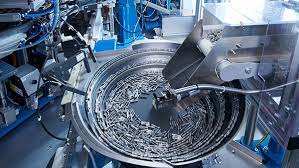
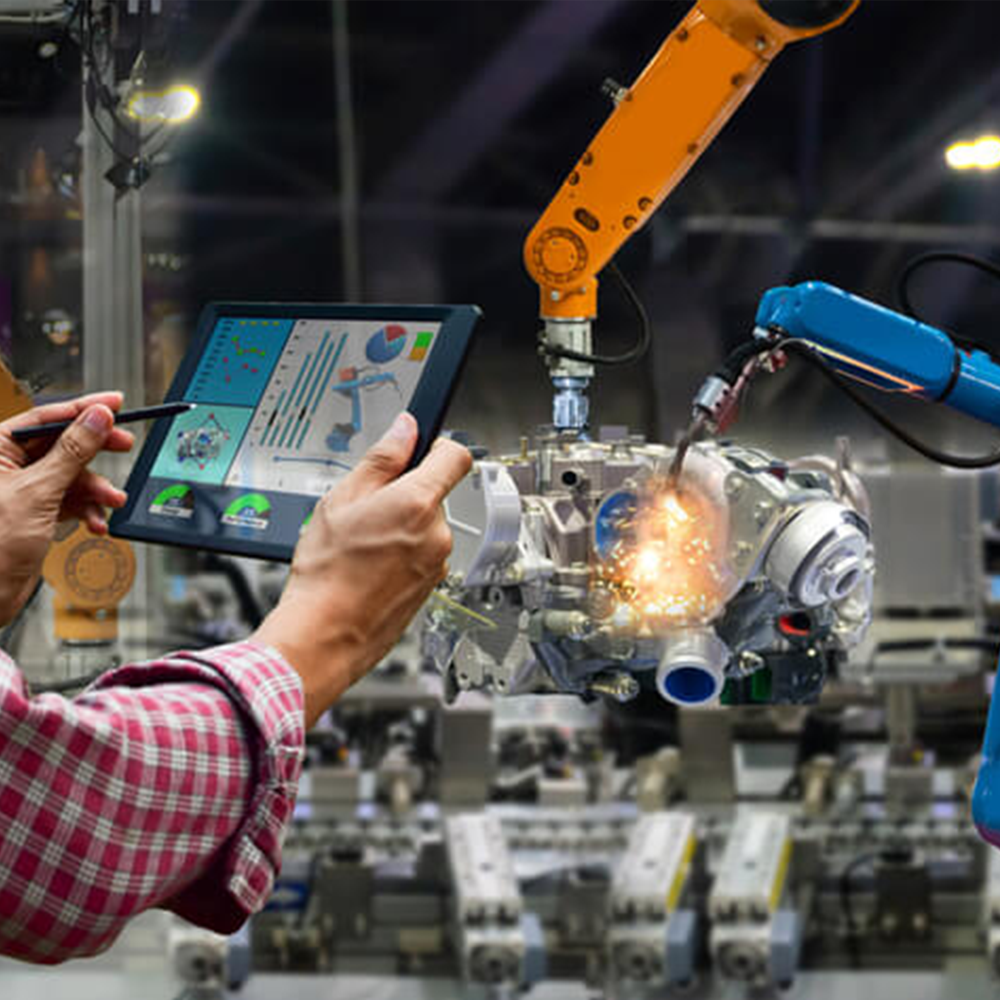
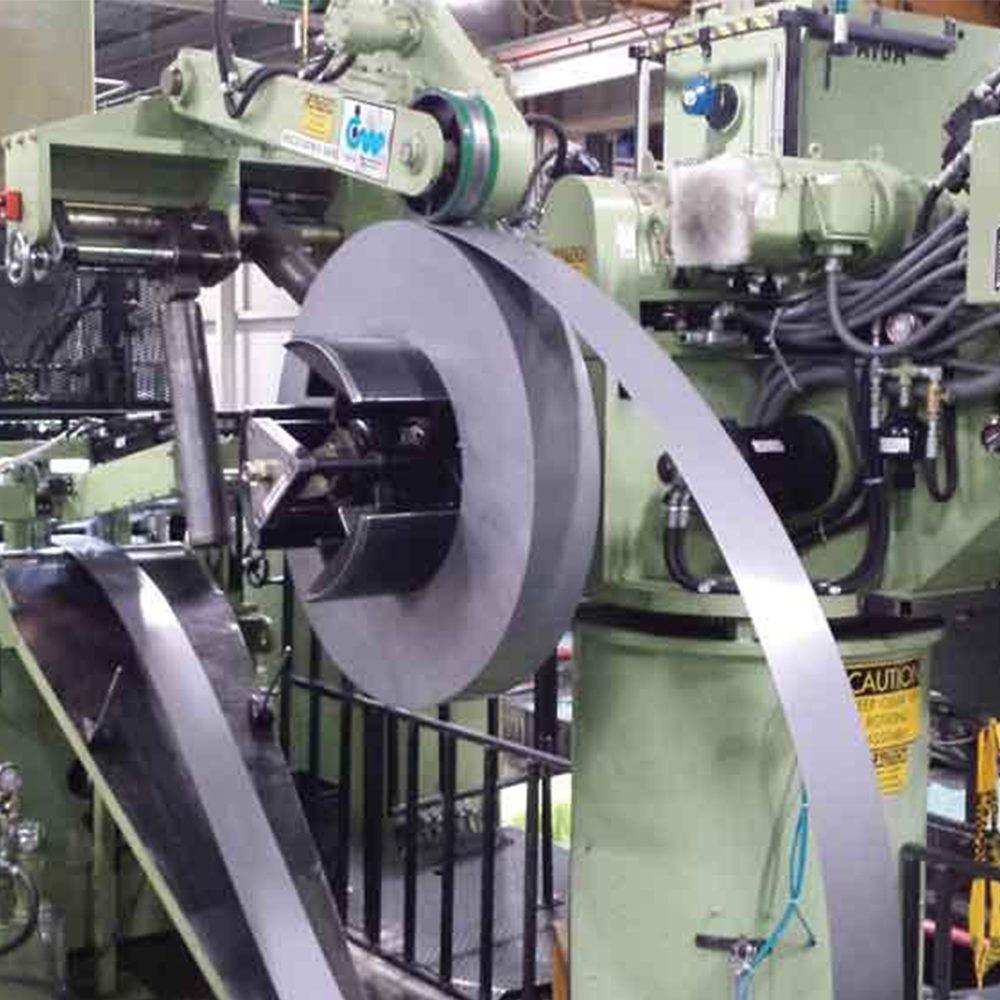
In other terms, a feeder machine is described as a device that feeds items, packing, or containers one at a time before directing them along a conveyor. Depending on the intended function, this machine can be integrated with other machines. This pushes every business to adopt smart manufacturing, wherein the company leverages the technology of the tools they already have to create the best possible manufacturing environment. The feeding of the separate components or work pieces starts the automation of the assembly procedures.
Drive Control of Vibrating Feeders
A vibrating feeder control method and controller are provided that enable the vibrating feeder to start with excellent responsibility and suppress the mechanical strength of the vibrating feeder by easily reducing overshoots that might otherwise be brought on by a transient response.
More Details
Filling Level Monitoring in the Vibrating Spiral Feeder
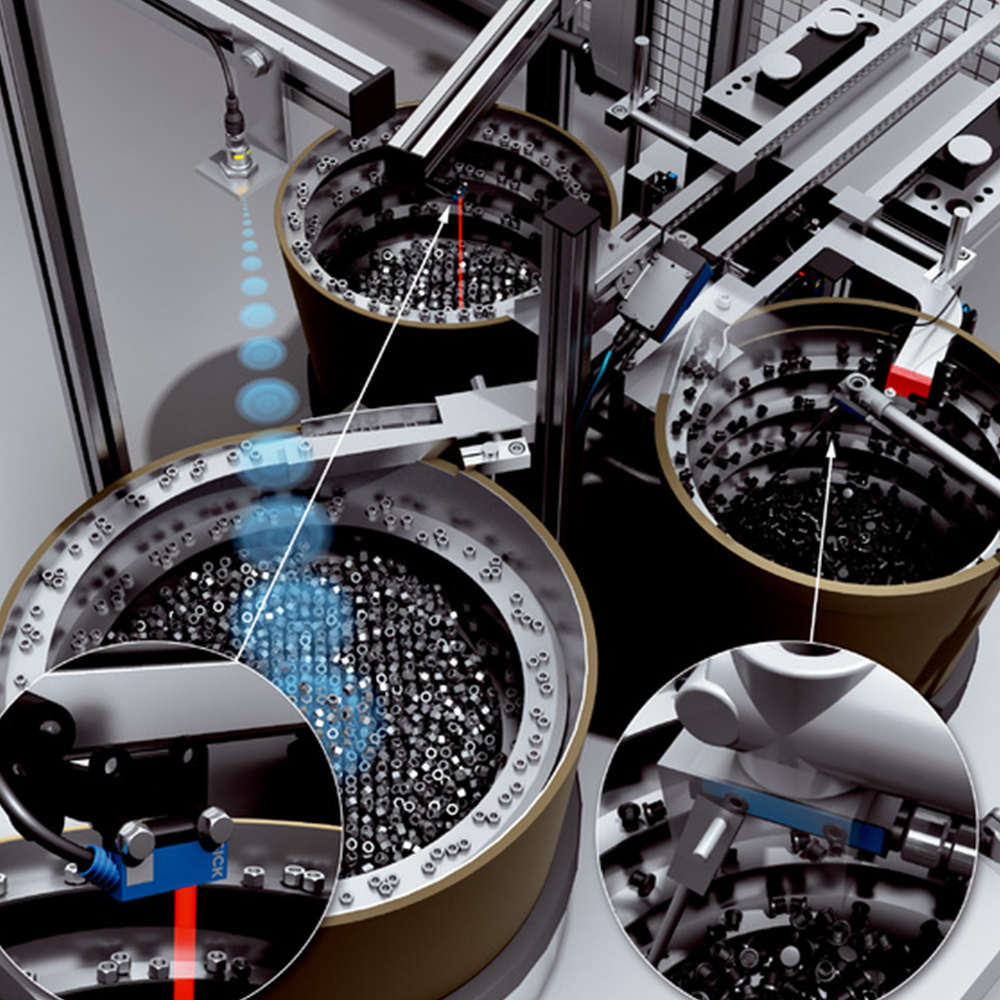
Regardless of the colour or transparency of the parts in the hopper, ultrasonic sensors can detect them. Even with cluster-forming components, like longer pins or rivets, the sonic cone’s property enables accurate level sensing. There are variants that include an analogue measuring signal as well as one or two independent switching signals.
More Details
Level Monitoring in the Parts Hopper
Planters, drills, air carts, and spreader trucks all include a Hopper Level sensor located inside the truck’s box. The sensor notifies the controller whenever the material drops below a predetermined level, telling the operator visually and audibly that the material is low.
More Details
Sensor solutions in feeder technology
The feeding of the separate components or work pieces starts the automation of the assembly procedures. The variety of the components, whether connecting parts, washers, O-rings, or plastic components, is as extensive as the range of industries in which they are used, from the automotive to the pharmaceutical and medical technology.
The feeding of the separate components or work pieces starts the automation of the assembly procedures. The variety of the components, whether connecting parts, washers, O-rings, or plastic components, is as extensive as the range of industries in which they are used, from the automotive to the pharmaceutical and medical technology.