information about Agriculture /Green House industry
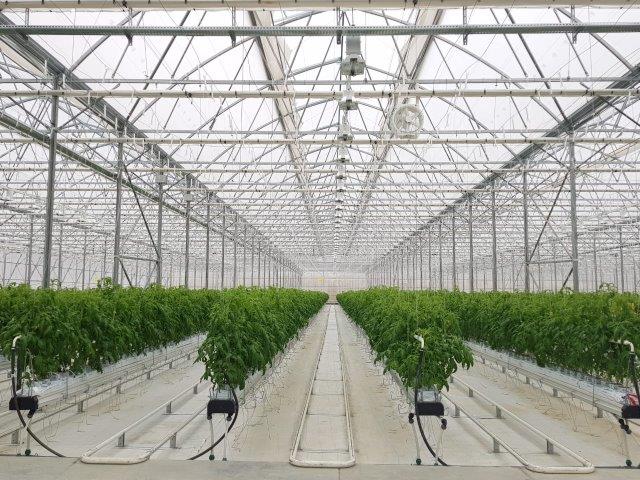
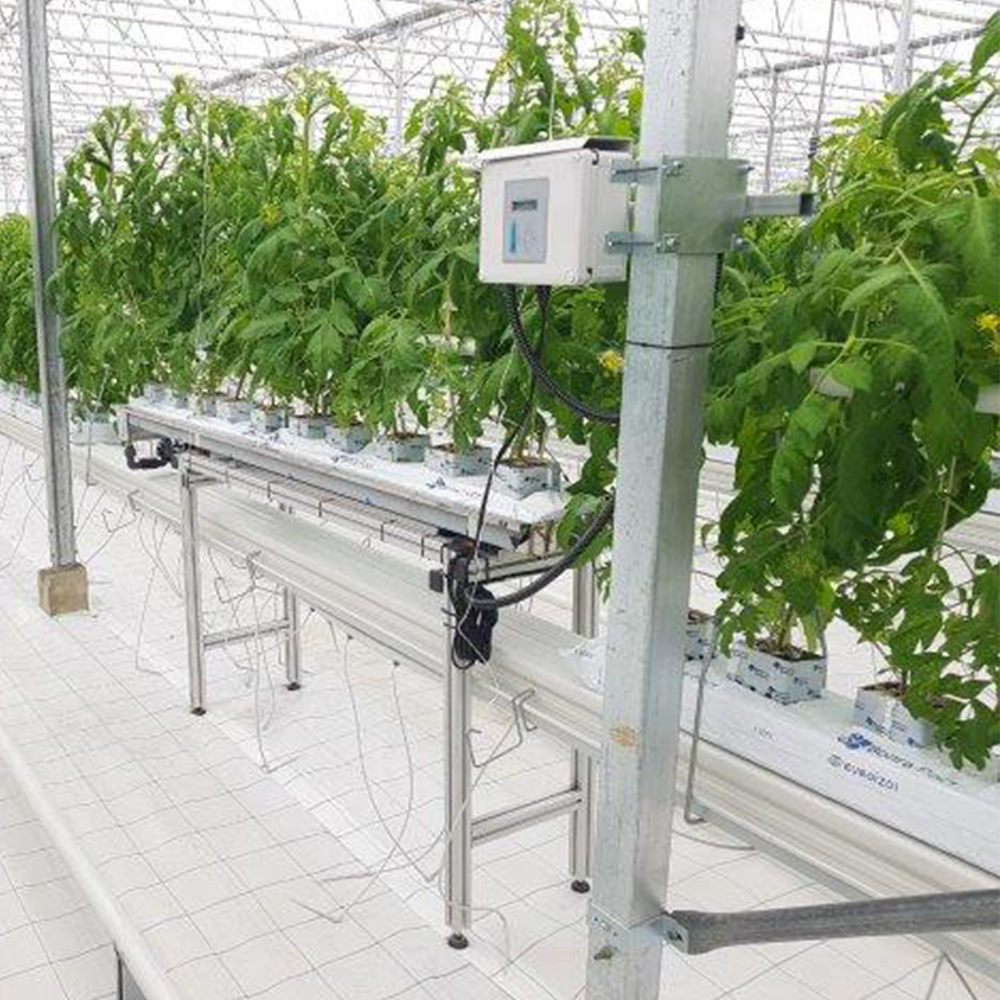
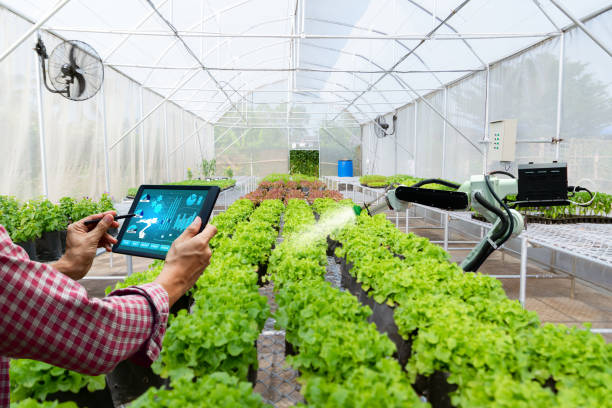
With the help of smarttechnology, greenhouses can now grow crops more quickly, more sustainably, and in nearly any weather. By utilising its agronomical expertise, project capabilities, and global presence, Netafim has vast experience executing highly specialised, cutting-edge greenhouse turnkey projects in nations all over the world.A contemporary greenhouse uses water in a highly advanced and ecological way. Large agribusinesses can excel in integrated farm management thanks to the reliable tools and technology available for increasing the overall effectiveness of fields.
greenhouses important
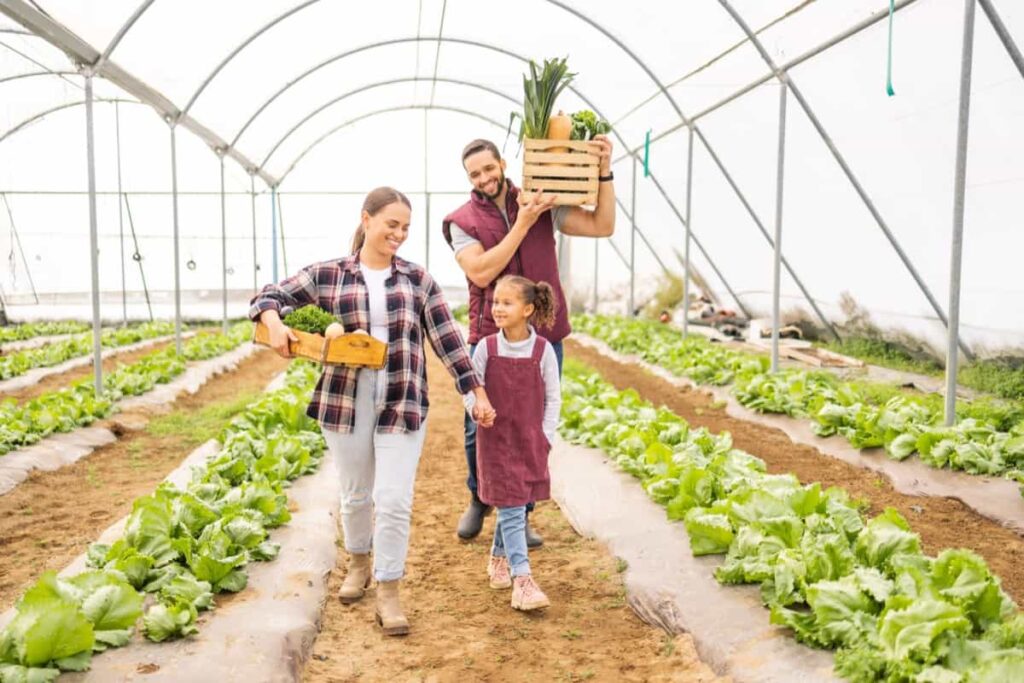
For plants, a greenhouse is a haven of safety. It lessens the accessibility of insects and other creatures that could harm or devour your plants. Extreme weather events like heavy rain.
More Details
greenhouse management
The plants at a nursery or greenhouse are taken care of by a greenhouse manager. They are in charge of starting new plants from seeds and caring for existing ones by providing water, fertiliser, and insect control.
More Details
greenhouse prevention
Energy conservation Using renewable energy sources, such as solar, wind, and other sources, will cut back on the consumption of fossil fuels. As a result, less carbon dioxide is subsequently released into the environment.
More Details
Modern Agricultural Techniques
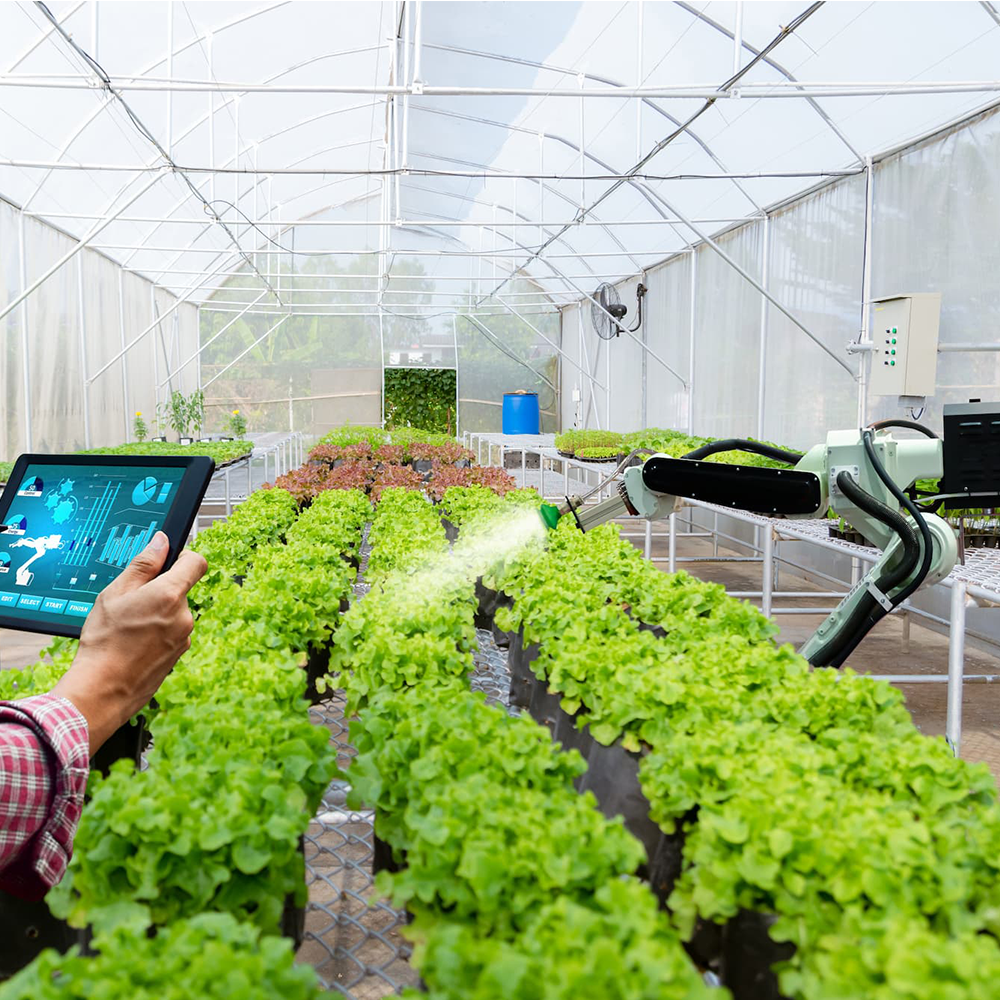
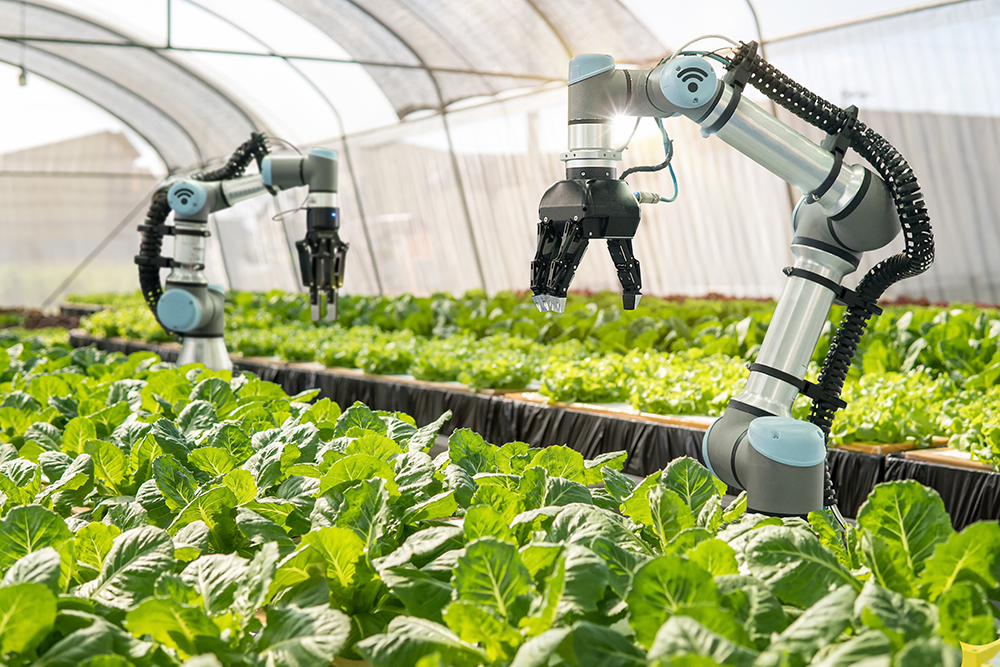
Mechanization: The use of machinery and equipment for planting, harvesting, and other farming operations has increased efficiency and productivity.Genetic Modification: Genetic engineering techniques have been used to develop genetically modified organisms (GMOs) with desirable traits, such as increased yield or resistance to pests.
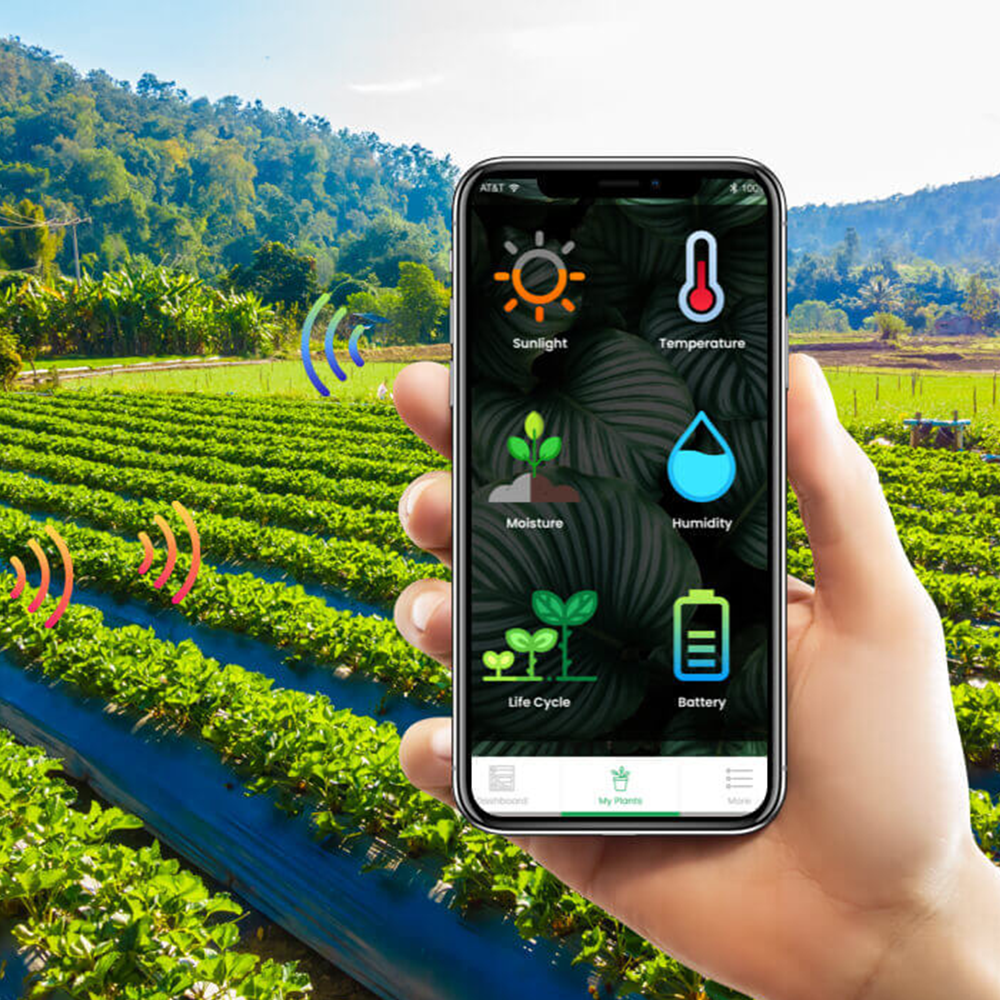
Connected devices and sensors can monitor crop conditions, soil moisture levels, and livestock health, providing real-time data for decision-making.
Artificial Intelligence
AI applications can help analyze large datasets, predict crop diseases, optimize resource allocation, and support autonomous farming machinery.
Vertical Farming
This practice involves growing crops indoors, often in vertically stacked layers, using artificial lighting and controlled environments to maximize production in limited space.
A Truly Circular Food Production Platform
Large agribusinesses can excel in integrated farm management thanks to the reliable tools and technology available for increasing the overall effectiveness of fields. Farm management can be made effective and thorough by integrating farmers, providing digital data collection methods for field personnel, linking with on-field devices, utilising remote data capturing sources, and centralising all farm data.